If you work in elevator maintenance, compliance testing, or facility management, you know that using an elevator test tool isn’t just about checking doors or button functions—it’s about ensuring the safety of every person who steps into a lift. Over the 12 years I’ve run my small business as an elevator test tool supplier, I’ve fielded the same question at least a dozen times a week: Are there any training courses available for using an Elevator Test Tool? It makes sense. Too many technicians assume that because they can turn a screwdriver or tap a screen, they can operate a test tool—and that’s where mistakes happen. Last year, I worked with two local contractors who’d skipped training and messed up a governor tension test on a 12-story elevator. The rework cost them $4,000, and they almost lost their state testing license. So let’s cut through the noise: yes, there are structured training courses, and as a supplier, we don’t just sell tools—we make sure you know how to use them right. Elevator Test Tool
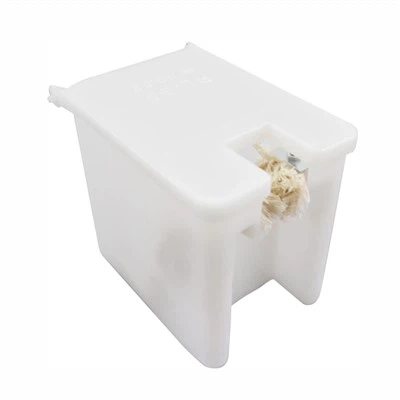
First, let’s clarify what an Elevator Test Tool actually is, because not all technicians get that. It’s not a single device. It’s a suite of calibrated instruments, digital apps, and hardware components designed to measure critical elevator performance metrics that human eyes and manual tools can’t catch. A basic tool will test door safety edges, governor rope tension, and door closing force. Mid-tier models add data logging for run time, speed, and deceleration rates. High-end tools integrate with lift control systems to pull fault codes and simulate emergency stops. The problem is that these features are useless if you don’t understand how to set calibration parameters, interpret error logs, or avoid damaging delicate hardware during testing.
Now, the training landscape for these tools breaks down into three main categories: third-party technical schools, elevator manufacturer-led sessions, and supplier-specific training—yep, that’s us. Let’s start with the most common option: third-party elevator technical schools. These are independent organizations that teach everything from basic elevator maintenance to advanced testing, and they often weave in training for all major test tool brands. For example, the National Elevator Industry Educational Program (NEIEP, which is a registered nonprofit focused on elevator training) offers a 40-hour elevator testing course that includes modules on operating test tools. Their instructors are ex-elevator mechanics and code inspectors, so they teach not just tool function, but how to apply that knowledge to meet local safety codes, like ASME A17.1 or ISO 18738. The catch here is that these courses are often general. If you’re using a niche, specialized test tool (like the ones we supply for small, custom freight elevators), the general training might gloss over parts specific to your tool. I’ve had several clients tell me they took a third-party course, got certified, but still struggled to set up a speed test on a model that only our team knows how to calibrate. That’s where manufacturer or supplier training fills the gap.
Next up: manufacturer-led training for test tools. Big names in elevator tech, like Otis or KONE, offer training for their in-house test tools, and some smaller tool manufacturers do too. The upside here is that it’s hyper-specific. If you use an Otis test tool, their course will walk you through every menu, how to update firmware, and how to troubleshoot the exact error codes their device generates. But the downside is that these courses are only for people using that specific brand’s tools. If your company uses a mix of, say, Otis test tools for passenger elevators and our specialized tool for freight lifts, you’d need two separate trainings. That’s a big extra cost for small maintenance teams, which is why our supplier-focused training was built in the first place.
Now, the third category: supplier-specific training, and this is the part I want to focus on because it’s tailored to what we do. As a supplier, we don’t just ship a box with a test tool and a 10-page manual. Every client that buys a tool from us gets access to two types of training: live virtual sessions and on-site hands-on training, plus a permanent resource library. Let’s break that down. Our live virtual sessions happen every two weeks, and they’re free for anyone who buys a tool from us. We keep them small—max 8 people—so everyone gets individual time to ask questions. Last month, we had a technician from a rural maintenance company in western Pennsylvania join who’d been struggling to calibrate the door safety edge on our mid-tier tool. Instead of watching him fumble through a manual, we walked him through step-by-step: how to adjust the sensitivity setting to match his local code, how to test for false triggers, and how to log the results for his annual inspection. He told us later that the virtual session saved him three hours of work on a job that would have cost him a service call.
We also offer on-site training for teams that have 5 or more technicians. This is for companies that do a lot of testing, or that use our specialized tools for custom elevators (like the ones in old historic buildings, which have unique load and speed requirements). Last quarter, we worked with a team in Boston that maintains 27 elevator in 10 historic brownstones, some of which date back to the 1920s. Their technicians had been using manual tapes and old test tools that couldn’t handle the uneven floor levels and narrow shafts in the brownstones. After our on-site training, they were able to use our portable, lightweight test tool to get accurate speed and load measurements without having to shut down the entire building’s elevator bank for hours. That’s the kind of practical value we bring, not just a tool.
Wait, but I know what some of you are thinking: “I don’t want to pay extra for training.” Let’s be clear: all the training we offer is included in the cost of the tool. We built our business on the idea that small maintenance teams don’t have thousands of dollars to spend on extra courses. The third-party courses I mentioned earlier can cost anywhere from $800 to $1,500 per person, and manufacturer courses are even more expensive—sometimes $2,000 for a two-day session. Our training is free, because we know that a well-trained technician using our tool will do better work, follow safety codes correctly, and come back to buy replacement parts or tools when they need them. That’s how we do business, and so far, it’s worked.
That said, training isn’t just for new buyers. We have a lot of long-term clients who come back for refreshers every year. Codes change, tools get updated with new software, and technicians turnover. Last year, a company we’ve worked with for 7 years brought in three new technicians who’d never used our test tool. Their senior tech told us that the new hires had tried to use the tool for a speed test without knowing that the latest firmware requires a 10-second warm-up period, leading to a wrong reading and a failed inspection. The refresher course fixed that, and they haven’t had an issue since. We also post monthly webinars on common mistakes—like how to avoid damaging the test tool’s pressure sensor when testing door closing force, or how to correctly log data for OSHA inspections—and those are open to anyone, not just our clients.
But here’s the thing: no training is a replacement for hands-on experience, right? A manual or a webinar can teach you the steps, but you need to actually use the tool in real-world conditions to master it. That’s why we also offer a 30-day trial period for all our test tools. If you buy a tool, you have 30 days to test it on as many elevators as you want, and if you get stuck, our support team is available by phone or email 7 days a week. Last year, a technician in Chicago bought a tool, tried it on a high-rise office building, and realized he didn’t know how to transfer the test data to his company’s inspection report. Our support team walked him through it over a call, and he’s been a repeat client ever since.
I also want to address the elephant in the room: are there free training options? Yes, but they’re limited. The ASME has free code guides for elevator testing, but they don’t teach you how to operate a specific test tool. Some test tool manufacturers post basic tutorials on YouTube, but most of those are old, and they don’t cover the latest firmware or code requirements. We’ve posted a few basic tutorials on our company’s resource page—how to unbox your test tool, how to do a basic door test—but they’re just the tip of the iceberg. If you want to do more than the absolute minimum, you need structured training.
So, to circle back to the original question: Are there any training courses available for using an Elevator Test Tool? The short answer is yes, but the right course depends on your needs. If you’re a technician just starting out, a third-party technical school course is a good baseline. If you use a specific brand of tool, their training is ideal. If you use our test tools, our training is tailored to your work, free, and designed to help you get better, faster results.
At the end of the day, using an elevator test tool correctly isn’t just about passing inspections—it’s about keeping people safe. I’ve seen too many avoidable accidents because a technician skipped proper testing, and I’ve seen too many businesses lose money because of mistakes from untrained staff. That’s why we put so much time and effort into our training programs, because we care about the work you do as much as you do.

If you’re in the market for an Elevator Test Tool, or if you already have one but feel like you’re not getting the most out of it, let’s connect. We can talk about what your specific needs are—whether you maintain small residential elevators, large commercial high-rises, or unique custom lifts—and show you how our training and tools can make your job easier, safer, and more efficient. There’s no hard sell, no hidden fees, just honest advice from someone who’s been in this industry for over a decade. Let’s work together to make sure every elevator test is done right.
Elevator Test Tool References:
- National Elevator Industry Educational Program. (2022). Core Curriculum for Elevator Maintenance and Testing.
- American Society of Mechanical Engineers. (2023). ASME A17.1-2023: Safety Code for Elevators and Escalators.
- International Organization for Standardization. (2021). ISO 18738-1: Lifts (Elevators) – Measurement of Performance – Part 1: Passenger and Goods Passenger Lifts.
- Elevator Contractors Association of North America. (2023). 2023 Industry Safety Compliance Report for Elevator Testing.
Sanjin Elevator Parts Co., Ltd.
Sanjin Elevator Parts Co., Ltd. is one of the most professional elevator test tool manufacturers and suppliers in China, featured by quality products and good service. Please rest assured to buy or wholesale high-grade elevator test tool at competitive price from our factory.
Address: 18th Floor, Xinyuan Center, Fenghe Road, Xi’an, Shaanxi, China
E-mail: elevatorparts@westdt.com
WebSite: https://www.sanjinelevator.com/
