Yo, what’s up everyone! I’m here as a die castings supplier to chat about when you should use cold chamber die casting. It’s a pretty cool process, and knowing when it’s the right choice can save you a ton of time and money. Die Castings

First off, let’s quickly go over what cold chamber die casting is. In simple terms, it’s a manufacturing process where molten metal is poured into a cold chamber and then injected into a die cavity under high pressure. This process is different from hot chamber die casting, where the melting pot is directly connected to the die cavity.
So, when should you consider using cold chamber die casting? Well, one of the main factors is the type of metal you’re working with. Cold chamber die casting is ideal for metals with high melting points, like aluminum, copper, and magnesium alloys. These metals can’t be used in hot chamber die casting because they would damage the hot chamber components due to their high temperatures.
For example, aluminum is a super popular choice in many industries. It’s lightweight, strong, and has excellent corrosion resistance. If you’re looking to make parts like automotive engine blocks, aerospace components, or even consumer electronics housings, cold chamber die casting is the way to go. The high-pressure injection in cold chamber die casting ensures that the molten aluminum fills every nook and cranny of the die cavity, resulting in high-quality, precise parts.
Another situation where cold chamber die casting shines is when you need large or complex parts. The high-pressure injection system can force the molten metal into intricate shapes and details, which might be difficult or impossible to achieve with other manufacturing processes. This makes it perfect for creating parts with thin walls, fine features, or complex geometries.
Let’s say you’re in the construction industry and you need to make large, structural components. Cold chamber die casting can produce these parts with the required strength and accuracy. You can get parts that fit together perfectly, reducing the need for additional machining or assembly work.
Cost is always a big consideration in any manufacturing project. Cold chamber die casting can be cost-effective in the long run, especially for high-volume production. Once the die is made, the production process is relatively fast, and you can produce a large number of parts with consistent quality. This means lower per-unit costs as you increase the production volume.
However, it’s important to note that the initial setup cost for cold chamber die casting can be high. You need to invest in the die, which is a custom-made tool designed specifically for your part. But if you’re planning to produce a large quantity of parts over time, the cost of the die can be spread out, making it a more economical option.
Now, let’s talk about the quality of the parts produced by cold chamber die casting. The high-pressure injection results in parts with high density and excellent mechanical properties. The parts are less likely to have porosity or other defects, which can improve their strength and durability. This is crucial in industries where safety and reliability are top priorities, such as the automotive and aerospace sectors.
In addition, cold chamber die casting allows for a high degree of dimensional accuracy. You can achieve tight tolerances, which means your parts will fit together precisely. This is important in applications where a perfect fit is required, like in the manufacturing of precision machinery or electronic devices.
But cold chamber die casting isn’t always the best choice. If you’re working with small quantities of parts, the high initial setup cost might not be worth it. In that case, other manufacturing processes like machining or 3D printing might be more suitable. Also, if you’re using metals with low melting points, hot chamber die casting could be a better option as it’s generally faster and more efficient for those metals.
So, to sum it up, you should use cold chamber die casting when:
- You’re working with metals with high melting points, such as aluminum, copper, or magnesium alloys.
- You need to produce large or complex parts with high precision and quality.
- You’re planning for high-volume production to take advantage of the cost savings in the long run.
As a die castings supplier, I’ve seen firsthand the benefits of cold chamber die casting in various industries. If you’re considering using this process for your next project, I’d love to chat with you. We can discuss your specific requirements, help you choose the right metal, and work together to create the perfect die for your parts.
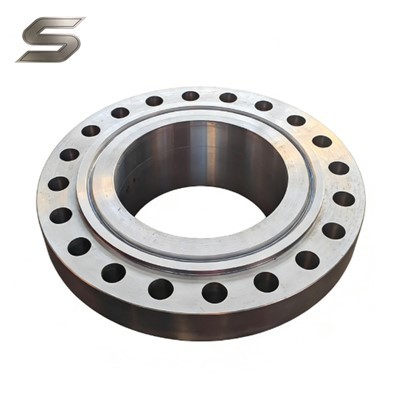
Whether you’re in the automotive, aerospace, construction, or any other industry, we have the expertise and experience to provide you with high-quality die castings. So, if you’re interested in getting a quote or just want to learn more about cold chamber die casting, don’t hesitate to reach out. Let’s start a conversation and see how we can help you achieve your manufacturing goals.
Gravity Die Casting References:
- "Die Casting Handbook" by J. Campbell
- "Manufacturing Engineering and Technology" by S. Kalpakjian and S. Schmid
Hebei Shata Machinery Co., Ltd.
As one of the most experienced die casting manufacturers and suppliers in China, we have advanced foundry technique and professional production team. Welcome to buy high-grade die casting for sale here from our factory. All custom made products are with high quality and competitive price.
Address: No.11 Cangshun Rd., Shijiazhuang, Hebei, China
E-mail: Info@shatamachinery.com
WebSite: https://www.shatamachinery.com/
