Hey there! I’m in the biz of supplying Chemical Dosing Systems, and one question I get asked a ton is, "What’s the cost of a Chemical Dosing System?" Well, let me break it down for you. Chemical Dosing System
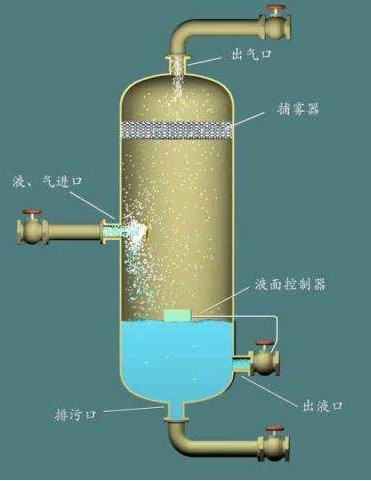
First off, there’s no one – size – fits – all answer. The cost of a Chemical Dosing System can vary widely, and there are a bunch of factors that play into it.
Factors Affecting the Cost
System Size
The most obvious factor is the size of the system. If you’re running a small – scale operation, like a small water treatment plant for a local community or a small industrial workshop, you’ll need a relatively compact dosing system. These smaller systems are generally less expensive because they use fewer materials and have less complex components. For example, a basic small – scale system might cost anywhere from a few hundred dollars to a couple of thousand dollars.
On the flip side, if you’re dealing with a large – scale industrial facility, like a big chemical manufacturing plant or a large municipal water treatment facility, you’re going to need a much larger and more powerful system. These systems can handle higher flow rates, store larger volumes of chemicals, and have more advanced control mechanisms. The cost for a large – scale Chemical Dosing System can easily reach tens of thousands of dollars, or even more in some cases.
Chemical Compatibility
The type of chemicals you’re going to be dosing also matters a lot. Some chemicals are highly corrosive, reactive, or toxic. For these kinds of chemicals, the dosing system needs to be made from special materials that can withstand the chemical’s properties without degrading or causing a safety hazard. For instance, if you’re dosing hydrochloric acid, which is a strong corrosive acid, the system’s pipes, valves, and tanks need to be made from materials like polyvinyl chloride (PVC) or fiberglass – reinforced plastic (FRP). These specialized materials are more expensive than standard ones, so the overall cost of the system goes up.
On the other hand, if you’re using relatively benign chemicals, like some types of water treatment polymers, you can get away with using more common and less expensive materials for the dosing system.
Automation and Control
The level of automation and control you want in your Chemical Dosing System is another major cost factor. A manual dosing system is the simplest and cheapest option. With a manual system, an operator has to physically adjust the flow rate of the chemicals, check the levels in the storage tanks, and perform other tasks. This kind of system is suitable for applications where precision isn’t extremely critical and the volume of chemicals being dosed is relatively low. Manual systems can cost as little as a few hundred dollars.
However, if you want a high – level of automation, things get more expensive. An automated dosing system can be programmed to adjust the dosing rate based on various parameters, such as the flow rate of the process fluid, the pH level, or the concentration of contaminants. These systems often come with sensors, controllers, and software that monitor and regulate the dosing process. They offer greater precision, consistency, and efficiency, but they also come with a higher price tag. Automated systems can range from a few thousand dollars for a basic setup to over a hundred thousand dollars for a very sophisticated, large – scale automated system.
Additional Features
There are also a bunch of additional features that can add to the cost of a Chemical Dosing System. For example, some systems come with built – in alarms that notify operators if there’s a problem, like a low chemical level or a malfunction in the dosing pump. Others may have remote monitoring capabilities, which allow you to check the status of the system from anywhere using an app or a web – based interface.
If you need your system to be compliant with certain industry standards or regulations, like the FDA regulations for food – grade applications or the environmental regulations for wastewater treatment, you may need to invest in additional components or modifications to ensure compliance. All these additional features and requirements can significantly increase the cost of the system.
Cost Breakdown
Let’s take a more detailed look at the major cost components of a Chemical Dosing System.
Equipment Costs
The hardware of the dosing system makes up a significant portion of the cost. This includes the storage tanks for the chemicals, the dosing pumps, the pipes, valves, and fittings, and any sensors or controllers.
Storage tanks come in different sizes and materials. A small plastic storage tank for a basic system might cost a few hundred dollars, while a large stainless – steel tank for a high – capacity system can cost several thousand dollars.
Dosing pumps are also a key component. There are different types of pumps, such as peristaltic pumps, diaphragm pumps, and piston pumps. Peristaltic pumps are relatively inexpensive and are suitable for low – flow applications. They can cost a few hundred to a couple of thousand dollars. Diaphragm pumps are more versatile and can handle a wider range of flow rates and pressures. They typically cost between one thousand and five thousand dollars. Piston pumps are the most powerful and precise, but they’re also the most expensive, often costing five thousand dollars or more.
The pipes, valves, and fittings are usually made from materials like PVC, stainless steel, or brass. The cost of these components depends on the material, size, and quantity. A simple set of PVC pipes and valves for a small system might cost a few hundred dollars, while a complex network of stainless – steel pipes and valves for a large system can cost several thousand dollars.
Sensors and controllers are used to monitor and regulate the dosing process. A basic pH sensor might cost a few hundred dollars, while a more advanced multi – parameter sensor can cost over a thousand dollars. The controller, which processes the sensor data and controls the dosing pump, can range from a few hundred to several thousand dollars depending on its features and capabilities.
Installation Costs
Installing a Chemical Dosing System is not a DIY job. You need a professional installer who has experience with these kinds of systems. The installation cost depends on the complexity of the system and the location.
For a simple, small – scale system, the installation cost might be a few hundred dollars. This could include basic tasks like mounting the storage tank, connecting the pipes and valves, and wiring the pump and controller.
However, for a large – scale, complex system, the installation cost can be much higher. The installer may need to do extensive plumbing work, electrical work, and even structural modifications to the facility. In some cases, the installation cost can be as much as or even more than the cost of the equipment itself.
Maintenance and Operating Costs
It’s important to consider the long – term maintenance and operating costs of a Chemical Dosing System. Regular maintenance is necessary to keep the system running smoothly and to prevent breakdowns. This includes tasks like cleaning the storage tanks, replacing the pump diaphragms or seals, and calibrating the sensors.
The cost of maintenance depends on the type and size of the system, as well as the frequency of maintenance. On average, you can expect to spend a few hundred to a few thousand dollars per year on maintenance.
The operating cost mainly consists of the cost of the chemicals and the energy used by the system. The cost of chemicals varies depending on the type and quantity. Some chemicals are relatively inexpensive, while others can be quite costly. The energy cost depends on the power consumption of the dosing pump and other components. A small – scale system may use only a few watts of power, while a large – scale system can consume several kilowatts.
Conclusion

So, as you can see, the cost of a Chemical Dosing System can vary widely depending on a bunch of factors, including the size, chemical compatibility, level of automation, and additional features. When you’re thinking about getting a Chemical Dosing System, it’s important to carefully consider your specific needs and budget.
Chemical Dosing System If you’re in the market for a Chemical Dosing System, I’d love to help you find the right one for your application. Whether you’re looking for a simple, cost – effective manual system or a high – tech, automated solution, I’ve got the expertise and the products to meet your requirements. Just get in touch with me to start a conversation about your project, and we can work together to figure out the best dosing system for you and get a customized quote.
References
- "Chemical Dosing Systems Handbook" – A comprehensive guide on the design, operation, and maintenance of chemical dosing systems.
- Industry reports on water treatment and chemical processing, which provide data on the cost trends of chemical dosing systems.
Jinan Guangbo Environmental Protection Technology Co., Ltd.
We’re well-known as one of the leading chemical dosing system manufacturers and suppliers in China. With a professional production team, we are able to meet the needs of the majority of our customers. Please feel free to buy high quality chemical dosing system from our factory.
Address: No. 102, Commercial and Residential Building, 18th Floor, Tangye Academician Valley, Tangye Sub-district, Licheng District, Jinan City
E-mail: info@gbwwt.com
WebSite: https://www.gbwwt.com/
