What is the role of paper optical brightener in newsprint? Paper Optical Brightener

Hey there, folks! As a supplier of paper optical brighteners, I’ve been getting a lot of questions lately about what these little wonders do in newsprint. So, I thought I’d take a few minutes to chat with you about it and give you the lowdown on why they’re so important.
Let’s start with the basics. What exactly is a paper optical brightener? Well, it’s a chemical compound that’s added to paper during the manufacturing process. Its main job is to make the paper look brighter and whiter. Sounds simple, right? But it’s actually a lot more complex than that.
In newsprint, the role of the optical brightener is crucial for several reasons. First and foremost, it enhances the visual appeal of the newspaper. When you pick up a newspaper, the first thing you notice is how it looks. A bright, white page is more inviting and easier to read than a dull, yellowish one. This is especially important in a world where competition for readers’ attention is fierce. Newspapers need to look their best to stand out on the newsstand or in the digital media landscape.
Another important role of the optical brightener is to improve the contrast of the printed text. You see, most newspaper ink is black, and when it’s printed on a bright, white background, it creates a high – contrast image. This makes the text easier to distinguish, which in turn makes reading more comfortable for the reader. It’s a matter of readability, and let’s face it, if a newspaper is hard to read, people are less likely to pick it up again.
But it’s not just about the looks and readability; there’s also an economic aspect to it. By using optical brighteners, newsprint manufacturers can use lower – grade fibers and still produce a high – quality product. You know, newsprint is typically made from recycled paper and mechanical pulp, which are relatively inexpensive raw materials. These materials tend to have a natural yellowish or grayish tint, which is not very appealing. However, by adding optical brighteners, the manufacturers can transform the appearance of the paper made from these low – cost materials, making it look as good as or better than paper made from higher – grade virgin fibers. This way, they can save on production costs without sacrificing the quality of the final product.
Now, let’s talk a bit about how these optical brighteners work. They absorb ultraviolet light from the environment and then re – emit it as visible blue light. This emitted blue light combines with the natural yellowish light that’s being reflected from the paper, canceling out the yellow color. The result is a paper that looks brighter and whiter to the human eye. It’s kind of like using a blue filter to correct a yellowish photo.
One thing I want to point out is that there are different types of paper optical brighteners available, and not all of them are suitable for newsprint. For newsprint, we usually recommend a specific type of brightener that is stable, cost – effective, and compatible with the other chemicals used in the papermaking process. It should also be able to withstand the conditions during printing and storage.
When it comes to the dosage of the optical brightener, it’s a bit of a balancing act. Using too much can lead to problems like over – brightening, which can make the paper look unnatural and even cause eye strain for the reader. On the other hand, using too little won’t achieve the desired brightening effect. That’s where our expertise comes in. As a supplier, we can help newsprint manufacturers determine the right dosage based on their specific needs and the characteristics of the raw materials they’re using.
I’ve seen firsthand the impact that a good paper optical brightener can have on newsprint. I remember visiting a newspaper mill a few years ago. They were having some issues with the appearance of their newsprint. The pages looked dull and the text was a bit hard to read. After we introduced our optical brightener to their production process and adjusted the dosage, the difference was amazing. The newsprint looked much brighter, the text was clearer, and they even received positive feedback from their readers.
And that’s not all. In addition to improving the appearance and readability of newsprint, our optical brighteners also have some environmental benefits. Since they allow manufacturers to use more recycled paper and mechanical pulp, they contribute to the conservation of natural resources. By reducing the need for virgin fibers, we’re helping to cut down on deforestation and reduce the environmental impact of the papermaking industry.
If you’re in the newsprint business, you might be thinking about whether it’s worth it to invest in a good paper optical brightener. Well, I can tell you from experience that it definitely is. Not only will it improve the quality of your product and make it more appealing to readers, but it can also save you money in the long run.
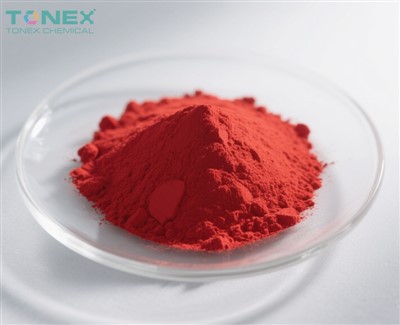
So, if you’re interested in learning more about our paper optical brighteners and how they can work for your newsprint production, don’t hesitate to reach out. We’re here to answer your questions, provide samples, and help you find the best solution for your specific needs. Whether you’re a small – scale local newspaper or a large – scale national publication, we’ve got the knowledge and the products to make your newsprint shine.
Dyes & Pigments References
- "Handbook of Paper and Board Chemical Additives". This book provides in – depth knowledge about various chemical additives used in the paper industry, including optical brighteners.
- "The Chemistry of Papermaking". It offers a comprehensive understanding of the chemical processes involved in making different types of paper, such as newsprint.
Jinan Tonex Chemical Co., Ltd.
We’re well-known as one of the leading paper optical brightener manufacturers and suppliers in China. With abundant experience, we warmly welcome you to buy bulk high quality paper optical brightener for sale here from our factory. For price consultation, contact us.
Address: No.3699 Huayuan East Road, Jinan, Shandong, China
E-mail: yama@tonexchem.com
WebSite: https://www.tonexoba.com/
