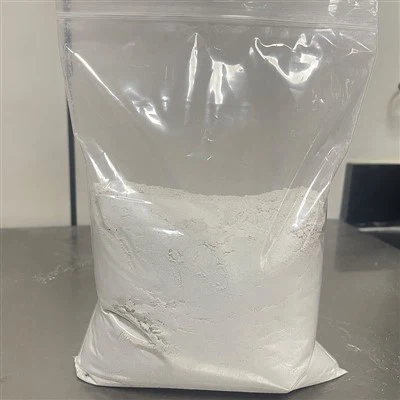
Calcium hydroxide powder, commonly known as slaked lime, is a versatile chemical compound with a wide range of applications in various industries. As a leading supplier of calcium hydroxide powder, I often get asked about the reactants needed to produce this essential substance. In this blog post, I will delve into the chemical process behind the production of calcium hydroxide powder, highlighting the key reactants and their roles. Calcium Hydroxide Powder
The Chemical Reaction
The production of calcium hydroxide powder involves a two – step reaction process. The first step is the calcination of calcium carbonate (CaCO₃), followed by the hydration of the resulting calcium oxide (CaO).
The calcination reaction is represented by the following equation:
[CaCO_{3}(s)\xrightarrow{\text{Heat}}CaO(s)+CO_{2}(g)]
This reaction occurs at high temperatures, typically around 825 – 896°C. During this process, calcium carbonate, which is commonly found in limestone, marble, or chalk, breaks down into calcium oxide (commonly known as quicklime) and carbon dioxide gas.
The second step is the hydration reaction, also known as slaking. The equation for this reaction is:
[CaO(s)+H_{2}O(l)\rightarrow Ca(OH)_{2}(s)]
In this reaction, calcium oxide reacts with water to form calcium hydroxide powder. This reaction is highly exothermic, meaning it releases a significant amount of heat.
Reactant 1: Calcium Carbonate
Calcium carbonate is the primary raw material for the production of calcium hydroxide powder. It is one of the most abundant minerals on Earth and can be sourced from various natural deposits. Limestone, a sedimentary rock composed mainly of calcium carbonate, is the most commonly used source.
The quality of calcium carbonate is crucial for the production of high – quality calcium hydroxide powder. The purity of calcium carbonate directly affects the purity of the final product. Calcium carbonate with a high percentage of impurities, such as silica, alumina, or iron oxide, can lead to a lower – quality calcium hydroxide powder. Therefore, as a supplier, we carefully select our calcium carbonate sources to ensure the highest level of purity.
In addition to its natural sources, calcium carbonate can also be produced synthetically. Synthetic calcium carbonate is often used in applications where a high degree of purity and specific particle size distribution are required.
Reactant 2: Heat
Heat is an essential reactant in the first step of the production process, the calcination of calcium carbonate. The high temperatures required for this reaction are typically provided by burning fossil fuels, such as coal, natural gas, or oil, in a kiln.
The choice of fuel and the design of the kiln can have a significant impact on the efficiency of the calcination process. Modern kilns are designed to optimize heat transfer and minimize energy consumption. For example, some kilns use pre – heating systems to pre – heat the calcium carbonate before it enters the main combustion chamber, which reduces the amount of fuel needed to reach the required reaction temperature.
Reactant 3: Water
Water is the second key reactant in the production of calcium hydroxide powder, used in the hydration step. The quality of water can also affect the properties of the final product. Impurities in the water, such as dissolved salts or heavy metals, can react with the calcium hydroxide and affect its purity and reactivity.
We use high – quality water, often treated to remove impurities, to ensure the production of a consistent and high – quality calcium hydroxide powder. The amount of water used in the hydration reaction is carefully controlled. An excess of water can lead to the formation of a slurry, while insufficient water may result in incomplete hydration and the presence of unreacted calcium oxide in the final product.
Applications of Calcium Hydroxide Powder
Calcium hydroxide powder has a wide range of applications across different industries. In the construction industry, it is used in mortar and plaster. The reaction of calcium hydroxide with carbon dioxide in the air over time forms calcium carbonate, which helps to harden and strengthen the building materials.
In the water treatment industry, calcium hydroxide is used to adjust the pH of water, precipitate heavy metals, and remove impurities. It is also used in the production of paper, where it helps to improve the strength and brightness of the paper.
In the food industry, calcium hydroxide is used as a food additive and pH regulator. For example, it is used in the process of making tortillas to improve their texture and shelf – life.
Quality Control in Production
As a supplier of calcium hydroxide powder, quality control is of utmost importance. We have a strict quality control system in place at every stage of the production process. From the selection of raw materials to the final packaging, we ensure that our products meet the highest standards of quality and purity.
We use advanced analytical techniques, such as X – ray diffraction and chemical analysis, to determine the chemical composition and purity of our calcium hydroxide powder. We also test the physical properties of the powder, such as particle size distribution and specific surface area, to ensure that it meets the requirements of our customers.
Why Choose Our Calcium Hydroxide Powder
Our company is committed to providing high – quality calcium hydroxide powder to our customers. We have a state – of – the – art production facility that uses the latest technology and equipment to ensure efficient and environmentally friendly production.
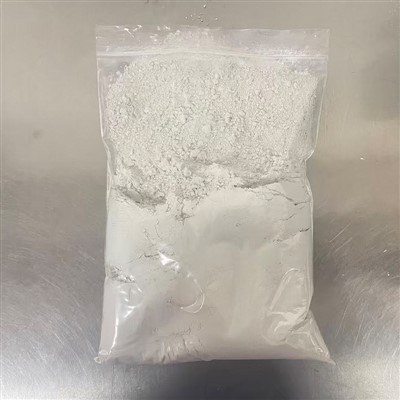
Our experienced team of chemists and technicians closely monitors the production process to ensure consistency and quality. We also offer customized solutions to meet the specific needs of our customers. Whether you need a specific particle size, purity level, or packaging option, we can work with you to provide the best solution.
Contact Us for Procurement
Calcium Hydroxide Powder If you are in the market for high – quality calcium hydroxide powder, we invite you to contact us for procurement. Our team is ready to discuss your requirements, provide detailed product information, and offer competitive pricing. We are committed to building long – term partnerships with our customers based on trust, quality, and excellent customer service. Reach out to us and let us help you meet your calcium hydroxide powder needs.
References
- Rice, N.M. (2006). Lime Science: A Review of Key Lime Reactions and Properties. American Chemical Society
- Jozwiakowski, K., & Skwarek, A. (2018). Calcium hydroxide – properties, production, applications. Journal of Chemical Technology and Metallurgy
- ASTM International. (2019). Standard Specification for Quicklime, Hydrated Lime, and Limestone for Environmental Use. ASTM C977 – 19
Chaohu Jirun Energy Conservation and Environmental Protection Technology Co., Ltd.
We’re well-known as one of the leading calcium hydroxide powder manufacturers and suppliers in China, also support customized service. Welcome to wholesale high quality calcium hydroxide powder in stock here from our factory. If you have any enquiry about pricelist, please feel free to email us.
Address: No. 9, north of the intersection of Weihai Road and Weili Avenue, within the industrial park of Yinping Town, Chaohu City, Hefei City, Anhui Province.
E-mail: 13305654485@163.com
WebSite: https://www.chaohujirun.com/
