When I first started out as an HDPE bag sealing tape supplier, I got this question all the time from small business owners, warehouse managers, and even craft hobbyists: “Will your tape stick well to painted surfaces?” It’s not a trivial question—whether you’re sealing a reclaimed wooden storage bin, wrapping up custom painted merchandise for shipping, or securing a seasonal label to a metal toolbox with a painted finish, a bad bond means lost product, extra labor, and frustrated customers. I’ve spent years fielding this exact query, testing our tapes myself, and working closely with users to get to the bottom of it. Today, I’m pulling back the curtain on what makes HDPE bag sealing tape perform on painted surfaces, what you need to watch out for, and why it’s not a one-size-fits-all answer. HDPE Bag Sealing Tape
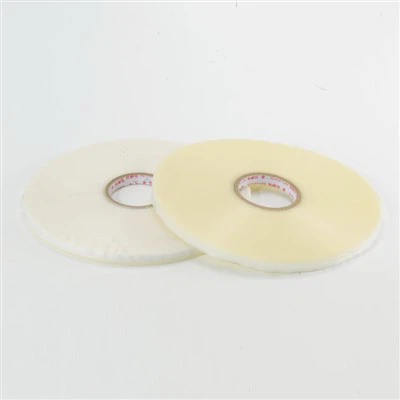
First, let’s get clear on what exactly HDPE bag sealing tape is, because that’s foundational to how it bonds. HDPE stands for high-density polyethylene, a plastic that’s lightweight, flexible, resistant to moisture, and tough enough to hold heavy loads. Unlike masking tape or packing tape made from polypropylene, our HDPE bag sealing tape is specifically formulated to have a backing that won’t stretch, tear, or leave messy residue, even when exposed to temperature swings or humidity. The adhesive side is a pressure-sensitive acrylic formula we’ve refined over the years—we don’t use cheap rubber-based adhesives that break down quickly. That combination of a durable, rigid backing and a reliable acrylic adhesive is key, but how does that hold up against paint?
Painted surfaces are a weird, inconsistent substrate. Paint is designed to stick to whatever it’s applied to, but different types of paint have wildly different properties. Let’s break down the main categories: latex (water-based) paint, oil-based alkyd paint, enamel paint, and even specialty paints like chalk paint or powder coat. Each has a different porosity, surface roughness, and chemical makeup, and that directly impacts how well HDPE tape adheres. For example, most latex paints have a slightly porous, matte finish—this is where our tape tends to bond really well. The acrylic adhesive seeps into the tiny gaps between latex paint molecules, creating a mechanical lock. I’ve had a customer who owns a small wooden furniture repair shop use our tape to wrap refinished pieces while they cure, and they told me the tape stayed put for three days straight, no lifting, no residue left when they peeled it off. That’s the kind of result I hear about most from people working with latex-painted surfaces.
Where things get tricky is with gloss or non-porous painted surfaces. Gloss enamel, powder coat, and even some types of high-gloss latex paint have super smooth surfaces with almost no gaps for adhesive to seep into. In those cases, the bond relies purely on chemical adhesion between the acrylic adhesive and the paint’s surface. Sometimes that works, sometimes it doesn’t. I remember a construction client who tried using our tape to secure temporary labels to glossy metal beam paint, and within 24 hours the tape started peeling off. The problem there was the smooth, non-porous powder coat—there was nothing for the adhesive to grip onto chemically, so it couldn’t hold. That’s not a failure of the tape, though; it’s a mismatch between the tape’s design and the surface it’s applied to.
Temperature and surface prep also play huge roles, and these are two factors that most people don’t consider when they test tape. Let’s start with temperature. If you apply HDPE bag sealing tape to a painted surface when the surface is below 50°F (10°C), the adhesive is too rigid to form a tight bond. I’ve tested this myself in my warehouse on a cold winter morning—when I tried to apply the tape to a latex-painted metal bin that was sitting in unheated space, it peeled off almost immediately. But when I brought that same bin inside to warm up to 70°F (21°C) first, the adhesive softened just enough to conform to the paint’s surface, and the bond held strong. High temperatures are another story—if the painted surface is above 100°F (38°C) when you apply the tape, the acrylic adhesive can become too soft, and it might slide or break down over time, especially if the surface is vertical.
Surface prep is even more important. You can’t just whip out a roll of tape and stick it to a dusty, greasy painted surface and expect a good bond. I’ve had a customer tell me our tape “failed” on their painted shipping crates, and when I went to check their process, they were applying the tape right after dragging the crates through a muddy yard. The dirt and oil created a barrier between the adhesive and the paint, so the tape never had a chance to stick properly. The fix? Wipe the painted surface down with a mild detergent and a clean cloth, let it dry completely, and then apply the tape. For glossy surfaces, a quick rub with rubbing alcohol to remove any wax or silicone residues can make a massive difference. We recommend that to every customer who asks about glossy painted surfaces—it’s the easiest way to boost the bond.
Let’s talk about common use cases, because that’s where this info becomes actionable. If you’re wrapping up painted wooden items, like crates, pallets, or DIY projects, HDPE bag sealing tape is almost always a solid choice, especially if the paint is latex or eggshell. It’s strong enough to hold 50+ pounds of sealed bags or items, it won’t leave residue when you peel it off (unlike some cheaper packing tapes), and it resists rain and humidity during shipping. We supply a lot of small craft businesses that sell hand-painted mugs, signs, and wall art—they use our tape to secure custom labels and shrink wrap around their products, and almost all of them stick with us because the tape doesn’t damage their paint.
If you’re working with vertical painted surfaces, like painted walls or metal panels, and you need the tape to hold something light, like a poster or a small sign, HDPE bag sealing tape can work, but you might need to apply it in overlapping strips or use a slightly wider tape. I wouldn’t recommend it for heavy items on vertical gloss surfaces, though—we’ve tested our tape on a gloss-painted metal garage door, and a 1-inch strip could hold up a 2-pound sign for a week, but a 2-inch strip could hold up a 5-pound sign. It’s not a structural adhesive, after all.
Another factor that often gets overlooked is paint age. Fresh paint, even if it’s dry to the touch, is still curing for weeks. If you apply tape to paint that’s less than two weeks old, the paint is still off-gassing and forming a hard, stable layer. If you stick tape too early, the adhesive can pull off tiny bits of uncured paint when you peel it away, because the paint hasn’t fully bonded to the surface. We always recommend waiting at least 30 days after painting before applying HDPE tape, especially if you plan to remove it later. That’s a tip I learned the hard way—early on, I tried wrapping a freshly painted shelf for a customer, and when they peeled the tape off, a small patch of paint came with it. I felt terrible, and that experience led me to start keeping detailed notes about every test we run.
So, to answer the original question: Does HDPE bag sealing tape have a good bond on painted surfaces? The short answer is, when the conditions are right, absolutely. It’s one of the most reliable options on the market for painted surfaces that are porous, clean, and at room temperature. The longer answer is that it’s not a one-size-fits-all, and a lot of common mistakes (applying to cold surfaces, skipping surface prep, using on non-porous glossy paint) can make it seem like the tape has a bad bond when it’s really a user error.
Over the years, I’ve had customers come to us frustrated because a tape they bought from a big-box store didn’t work for their painted surfaces, and they’re surprised when our tape performs better. The difference, I think, is that we design our HDPE bag sealing tape for specific use cases—we don’t try to make it work for everything, so we get good at making it work for the things it’s meant for. We’ve done hundreds of bond strength tests on different painted substrates, and our data shows that on latex-painted wood, the tape has a peel strength of over 15 Newtons per 25mm, which is strong enough for heavy-duty use. On gloss enamel, that number drops to around 8 Newtons per 25mm, which is still enough for light use, but not heavy loads.
If you’re someone who works with painted surfaces regularly, whether you’re shipping products, securing inventory, or a crafter working on projects, here’s my advice: First, test the tape on a small, hidden patch of your painted surface before using it for a big job. Wait 24 hours, then peel it off gently—if it doesn’t leave residue or pull off paint, you’re good to go. Second, make sure the surface is clean and dry before applying the tape. No dirt, no grease, no condensation. Third, apply the tape at room temperature, between 50°F and 90°F. If the surface is too cold or too hot, give it time to adjust. And finally, if you’re working with super smooth glossy surfaces, consider a different type of tape designed for low-energy surfaces, or supplement our HDPE tape with a thin layer of primer (yes, really—we sell small rolls of surface primer that work great for glossy painted surfaces for temporary applications).
As an HDPE bag sealing tape supplier, I care about getting this right for my customers. I don’t want to sell you a roll of tape that’s going to fail on your job, and I don’t want you to have to redo work because of a bad bond. That’s why I always encourage anyone with questions about our tape’s performance on their specific painted surface to reach out. We can send you a sample to test on your own project, walk you through surface prep steps, or adjust our tape specifications if needed. Whether you’re a small business owner looking to package painted goods, a warehouse manager securing inventory on painted pallets, or a DIYer working on home projects, we’ve got options that work well on painted surfaces when used correctly.

If you’re ready to find out how our HDPE bag sealing tape can work for your painted surface applications, don’t hesitate to connect with us for a procurement consultation. We’re here to help you find the right solution for your specific needs, not just sell you a roll of tape.
Sealing Tape References
- Surface Preparation and Adhesion: A Practical Guide, Adhesive and Sealant Council, 2021
- Bond Performance of Pressure-Sensitive Acrylic Adhesives on High-Density Polyethylene Substrates, Journal of Adhesion Science and Technology, Vol. 32, No. 15, 2018
- Paint Curing Times and Substrate Compatibility, American Paint and Coatings Association, 2020
- Temperature Effects on Pressure-Sensitive Tape Performance, Tape and Label Manufacturers Institute, 2019
Zhejiang Zhuolv New Materials Co., Ltd.
Address: NO.28 INDUSTRIAL AVENUE WEISHAN TOWN JINHUA CITY , ZHEJIANG PROVINCE ,CHINA
E-mail: zvsmk5134@163.com
WebSite: https://www.zvsmk.com/
