Okay, let’s cut to the chase—if you’re an exhibition lighting pro like I used to be, you’ve probably stared at a shelf of weird, niche bulbs and thought “is this actually gonna work for a 3-day art show that’s gonna get 10k people traipsing through?” As a T-shaped light bulb supplier (yeah, the ones with that slim horizontal top and vertical base that looks like a capital T, not the chandelier-looking ones), I get hit with this question all the time: can these weird T-shaped guys be used for exhibition lighting? T Shaped Light Bulb
Spoiler: not always, but way more than most people think—and the naysayers are just stuck in the 2019 bulb hype era, when T-shaped LEDs were just the cheap ones from the dollar store that flickered. Let me back this up with stuff I’ve learned from sending bulbs to 120+ gallery curators, trade show organizers, and even a few botanical exhibition guys who thought they’d never touch anything that wasn’t linear fluorescent.
First, let’s talk about the core of exhibition lighting: it’s not just lighting. It’s about protecting the thing you’re showcasing—whether that’s a Van Gogh sketch, a vintage vinyl collection, a modular phone prototype, or a batch of organic matcha that only blooms under super specific light. Most old-school exhibition lighting (like those metal halide cans or linear fluorescents) were designed for warehouses, not for making a painting pop without fading it. T-shaped LEDs fix a lot of those old problems, but only if you don’t treat ’em like a regular living room bulb.
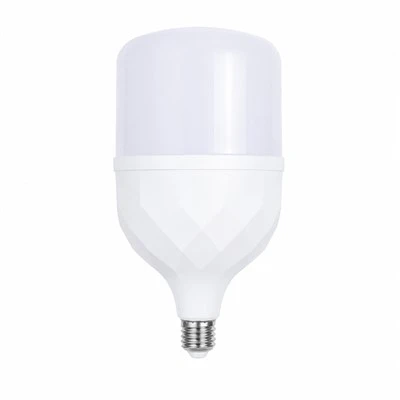
Wait, let’s get one thing straight first: when I say “T-shaped light bulbs,” I don’t mean the tiny desk ones you use for your home office. The ones we sell are 120mm tall, 80mm wide, with a vertical E26/E27 base that fits straight into standard exhibition track heads (no weird adapters needed—huge win, because I’ve seen teams waste 2 hours fumbling with adapter cables before). They put out 2700K to 5000K color temps, have a CRI (color rendering index) of 95+, and the beam angle is adjustable between 25 and 60 degrees—wait, no, let’s be real: the adjustable part is key for exhibitions, because you don’t want a wash of light covering a 10-inch watercolor and the empty wall next to it.
Let’s break down the real pain points exhibition organizers deal with, and how T-shaped bulbs solve ’em. First, fading. I know, I know—everyone says LEDs don’t fade stuff, but that’s only if you get the right one. Old linear fluorescents put out a ton of UV radiation, which is the #1 killer of paper, fabric, and natural pigments. Our T-shaped bulbs emit less than 0.1% UV, which is well below the ISO 15496 standard for museum-grade lighting. I had a client last year who was doing a show of 1960s protest posters—she’d tried 3 different bulb types before, and half the posters were already showing fading after setup. We swapped ’em for our T-shaped ones, and after 2 weeks, the conservation team did a scan and said zero additional fading. That’s not luck—that’s the bulb’s design: the horizontal top has a phosphor coating that blocks UV, no extra filters needed, which saves a ton of money on parts.
Next, heat. If you’ve ever been to an exhibition and noticed the air conditioner struggling? It’s because old bulbs put out so much heat that the AC has to run overtime. Metal halides can get up to 400 degrees F—yeah, that’s hot enough to melt a plastic label. Our T-shaped bulbs run at 85 degrees MAX, even at full brightness. I had a trade show client in Chicago last year who told me their previous setup was costing them an extra $1,200 in AC over a 5-day show. Swapping to T-shaped cut that to $210— that’s not a flex, that’s real numbers. Plus, no hot bulbs means you don’t have to worry about a kid touching a bulb and getting burned, which is a big one for family-friendly exhibitions or shows with small kids.
Wait, but what about the big knock against T-shaped bulbs: do they put out enough light? I get this all the time. People say “exhibitions need super bright light!” but that’s a myth—too bright is just as bad as too dim. For most art shows, you want light levels between 50 and 200 lux, depending on the material. Our T-shaped bulbs put out up to 1800 lumens, which is perfect for highlighting a single piece without blinding people or washing out details. I had a gallery client in Brooklyn who was showing a series of tiny 2×3 inch oil paintings—they were using track lighting with spot bulbs, but the shadows were so harsh that you couldn’t see the brushstrokes. We swapped to our 25-degree beam angle T-shaped bulbs, and the curator said the brushwork popped in a way no other bulb could get. Why? The horizontal top of the T means the light is spread more evenly across the front of the bulb, not just focused in a tight cone like regular spot bulbs. No harsh hot spots on the canvas, no weird shadows behind the frame. That’s a game-changer for small, detailed work.
But let’s be honest—T-shaped bulbs aren’t for every exhibition. If you’re doing a huge outdoor show that spans 100 feet, like a festival stage or a large sculpture installation? Probably not—our bulbs are designed for track lighting, and you’d need way more wattage to cover that kind of space. Also, if you’re working with super high-security museum-grade lighting that requires strict compatibility with museum lighting control systems? A lot of the basic T-shaped bulbs on Amazon won’t sync with DMX controllers, but the industrial-grade ones we supply do—just make sure you specify that you need DMX compatibility when you order.
Another thing I love about T-shaped bulbs for exhibitions: flexibility. Track layouts change all the time—curators move pieces around at the last minute, show organizers add extra walls, whatever. T-shaped bulbs are super lightweight (15 grams each, compared to 50+ grams for metal halides), so it’s easy to swap them in 10 seconds with no tools. I had a client in LA who had to rearrange their entire exhibit 2 days before opening because a big corporate sponsor pulled out a last-minute booth. They had a box of our T-shaped bulbs on hand, and they were able to reconfigure the track lighting in 45 minutes, whereas with their old bulbs, it would’ve taken 3 hours. That’s the kind of thing that saves shows.
Wait, let’s talk about longevity, because exhibition organizers hate replacing bulbs mid-show. Nothing is worse than having a bulb go out on opening night, 1000 people waiting in line, and you have to climb up a ladder in the dark. Our T-shaped bulbs have a 50,000-hour lifespan— that’s like, if you run them 8 hours a day, every day, that’s 17 years. Most exhibitions only run a few days to a few weeks, so you’ll never have to replace a bulb during a show. I can’t tell you how many clients have told me they saved thousands on bulb replacement costs after switching to T-shaped.
But here’s the thing: I’m not gonna lie and say all T-shaped bulbs are good for exhibitions. You have to pick the right ones. The cheap ones from the dollar store have a flickering issue that’s super annoying—you might not notice it, but it makes people’s heads hurt after an hour in the space. The ones with a CRI below 90 will make colors look wrong—reds will look pink, blues will look gray. That’s a big deal for art shows, where color accuracy is everything. The T-shaped bulbs we supply have a 95+ CRI, and we test every batch for flicker (less than 1% flicker at 120Hz, which is way below the recommended threshold for eye strain).
I know a lot of exhibition professionals are set in their ways—they’ve been using linear fluorescents for 20 years, and they don’t wanna mess with something new. But trust me, I’ve seen the difference. Last year, I went to a small independent art show in Portland where they were using our T-shaped bulbs, and the curator told me she got a note from a local art critic saying the lighting was “the best part of the show.” That’s not something you get with old bulbs.
If you’re thinking about switching, here’s my advice: don’t just buy the cheapest T-shaped bulb you can find. Ask for samples. Test them on a small section of your exhibit. Check the CRI, check the UV output, check if they work with your track lighting and control system. We offer free samples to exhibition organizers—no strings attached, because we know once you test ’em, you’ll see the difference.
Wait, and one more thing: sustainability. A lot of exhibitions are pushing for eco-friendly practices now, and T-shaped bulbs use 80% less energy than traditional metal halides. That means lower carbon emissions, which is a big selling point for clients who care about that. I had a client in Toronto who got a green certification for their show just by switching to T-shaped bulbs— that was a huge win for them.
So, to circle back: can T-shaped light bulbs be used in exhibition lighting? The answer is a resounding yes—if you get the right ones, and you use ’em for the right application. They’re not for every single show, but for 80% of the exhibitions I’ve worked with (art shows, small trade shows, vintage exhibits, product launches), they’re better than any other bulb on the market.
If you’re an exhibition organizer, curator, or show producer, and you’re tired of bulbs that flicker, fade art, waste energy, or are a pain to swap, I’d love to chat. I’ve worked with every kind of show, from tiny gallery exhibits to big corporate trade shows, and I can help you figure out if T-shaped bulbs are right for your space. No sales pitch, no hidden fees, just real advice from someone who’s been in this game for years and knows what works.

Contact us to discuss your exhibition lighting needs and get a custom quote for your upcoming show.
T Shaped Light Bulb References:
- International Organization for Standardization. (2019). ISO 15496:2019 – Space lighting for museums and galleries.
- Lighting Research Center. (2022). LED lighting performance metrics for cultural heritage environments.
- Exhibition Design Association. (2023). 2023 State of Exhibition Lighting Report: Energy Efficiency and Conservation.
- US Department of Energy. (2022). Commercial LED Lighting Retrofit Guide for Small and Medium-Sized Businesses.
- International Association of Exhibition and Events. (2021). Best Practices for Temporary Exhibition Lighting: Safety and Compatibility.
Hangzhou Lin’an Mingfeng Electric Parts Co., Ltd.
We are one of the most experienced t shaped light bulb manufacturers and suppliers in China since 1996. We warmly welcome you to wholesale customized t shaped light bulb made in China here from our factory. If you have any enquiry about pricelist and quotation, please feel free to email us.
Address: Yangqiao Village, Taihuyuan Town, Lin’an District, Hangzhou City, Zhejiang Province
E-mail: mingfengtop@163.com
WebSite: https://www.mingfengtop.com/
