Hey there! I’m a supplier of flatbed semi – trailers, and I know how important it is to pick the right one for your business. It’s not just about getting a trailer; it’s about finding a partner that can help your business thrive. So, let’s dive into how you can choose the perfect flatbed semi – trailer. Flatbed Semi Trailer

1. Know Your Cargo
First things first, you gotta understand what kind of stuff you’ll be hauling. Different types of cargo have different requirements.
If you’re dealing with heavy machinery, like bulldozers or excavators, you’ll need a flatbed semi – trailer with a high weight capacity. These trailers are usually built with stronger frames and axles to handle the extra load. For example, a standard flatbed might be able to carry around 40,000 pounds, but for heavy machinery, you might need one that can handle 80,000 pounds or more.
On the other hand, if you’re transporting long and oversized items like steel beams or pipes, length and width are crucial. You’ll need a trailer with a longer deck and maybe even some special features like extendable sides. Some flatbeds can be extended from a standard length to much longer, allowing you to carry those extra – long items safely.
And if you’re hauling fragile goods, you’ll want a trailer with a smooth ride. Look for trailers with good suspension systems that can reduce vibrations and shocks during transportation. This will help keep your cargo in one piece.
2. Consider the Trailer’s Dimensions
The size of the flatbed semi – trailer matters a lot. You need to make sure it fits your cargo and your operating environment.
The length of the trailer is a big factor. Standard lengths range from 40 to 53 feet, but you can find shorter or longer ones depending on your needs. A shorter trailer might be easier to maneuver in tight spaces, like small construction sites or crowded city streets. However, if you need to haul large quantities of cargo at once, a longer trailer will give you more space.
Width is also important. Most flatbeds are around 8.5 feet wide, which is the standard in the industry. But some specialized trailers can be wider, which might be necessary for extremely wide loads. Just make sure to check local regulations about over – width loads before you go for a wider trailer.
The height of the trailer deck matters too. A lower deck means it’s easier to load and unload cargo, especially heavy or bulky items. Some trailers have adjustable decks that can be raised or lowered to make the loading process even more convenient.
3. Think About the Trailer’s Weight
The weight of the flatbed semi – trailer itself can have a big impact on your business. A heavier trailer means you’ll have less payload capacity, which means you can carry less cargo in each trip.
Light – weight trailers are a great option if you’re looking to maximize your payload. They’re usually made from materials like aluminum, which is strong but much lighter than steel. However, light – weight trailers might cost more upfront.
On the flip side, steel trailers are generally heavier but more durable. They can withstand more wear and tear, especially if you’re working in tough conditions. So, you’ll need to weigh the pros and cons of weight and durability based on your specific business needs.
4. Evaluate the Trailer’s Construction
The way the flatbed semi – trailer is built is crucial for its performance and longevity.
Look at the frame of the trailer. A good frame should be made from high – quality steel or aluminum and have a strong, rigid design. The frame is the backbone of the trailer, and it needs to be able to support the weight of the cargo without bending or breaking.
The deck material is also important. Most flatbeds have a wood or steel deck. Wood decks are more traditional and provide a good grip for the cargo. They’re also easier to repair if they get damaged. Steel decks, on the other hand, are more durable and resistant to corrosion. They’re a good choice if you’re hauling heavy or sharp – edged cargo.
Check the joints and welds on the trailer. Good quality welds ensure that the different parts of the trailer are securely connected. You don’t want a trailer where the joints start coming apart after a few trips.
5. Look at the Trailer’s Features
Modern flatbed semi – trailers come with a lot of cool features that can make your job easier and safer.
One important feature is the tie – down points. These are spots on the trailer where you can attach straps or chains to secure your cargo. The more tie – down points a trailer has, the more options you have for securing different types of cargo. Some trailers also have built – in winches to help you load and unload heavy items.
Another useful feature is the lighting system. A good lighting system is essential for safe driving, especially at night or in bad weather. Make sure the trailer has bright, reliable lights that meet all the safety standards.
Some trailers also have hydraulic ramps or lift gates. These can be a real game – changer if you’re loading and unloading heavy equipment. They make the process much faster and easier, reducing the risk of injury.
6. Check the Trailer’s Maintenance Requirements
Maintenance is an important part of owning a flatbed semi – trailer. You don’t want to be stuck with a trailer that breaks down all the time and costs you a fortune to repair.
Find out what kind of maintenance the trailer requires. Some trailers need more frequent inspections and maintenance than others. For example, trailers with hydraulic systems might need more regular fluid checks and replacements.
Ask about the availability of replacement parts. You want to make sure that if something breaks, you can easily find a replacement part and get the trailer back on the road quickly.
Also, consider the trailer’s warranty. A good warranty can give you peace of mind and save you money on repairs. Make sure you understand the terms and conditions of the warranty before you make a purchase.
7. Look at Your Budget
Last but not least, you need to think about your budget. Flatbed semi – trailers can range in price from a few thousand dollars to over a hundred thousand dollars.
Don’t just go for the cheapest option. Remember, a good quality trailer will last longer and perform better, which can save you money in the long run. However, you also don’t want to overspend on features that you don’t really need.
Consider your long – term business goals. If you’re planning to expand your business in the future, you might want to invest in a more high – end trailer that can grow with your business. On the other hand, if you’re just starting out, a more budget – friendly option might be the way to go.
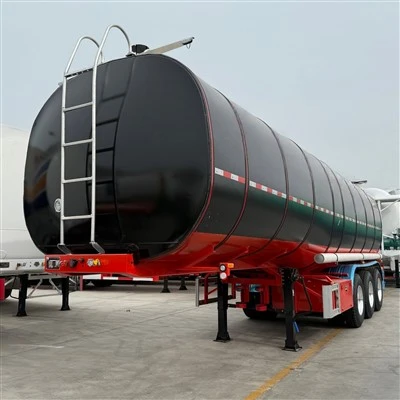
Choosing the right flatbed semi – trailer for your business is a big decision, but by considering these factors, you can make an informed choice. If you’re still not sure which trailer is right for you, don’t hesitate to reach out. I’ve been in the flatbed semi – trailer business for years, and I’m more than happy to help you find the perfect fit for your business. Just drop me a message, and we can start talking about your specific needs.
Fence Semi Trailer References:
- Industry knowledge from my years of experience as a flatbed semi – trailer supplier
- Trade shows and industry conferences attended over the years
- Discussions with fellow professionals in the transportation and trailer manufacturing industry
Shandong Yuncheng Xinya Trailer Manufacturing Co., Ltd.
Shandong Yuncheng Xinya Trailer Manufacturing Co., Ltd. is one of the most experienced flatbed semi trailer manufacturers and suppliers in China, featured by quality products and good service. Please rest assured to buy CE approved flatbed semi trailer from our factory. Contact us for customized service and OEM service.
Address: No. 008, Hexie Road, Yangzhuangji Town, Yuncheng County, Heze City, Shandong Province
E-mail: fiona@xinyatrailer.com
WebSite: https://www.china-truckfactory.com/
