Are there any building codes for expandable container houses?
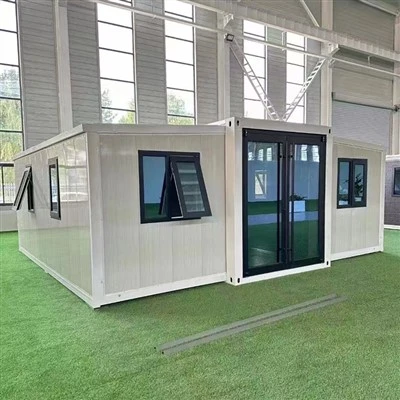
As a well – versed supplier of expandable container houses, I’ve encountered numerous inquiries from potential clients about the building codes governing these innovative housing solutions. In this blog post, I’ll delve into the world of building codes for expandable container houses, shedding light on what you need to know before embarking on your container – home project. Expandable Container House
Understanding Building Codes
Building codes are a set of regulations established by local, regional, or national governments to ensure the safety, health, and general welfare of the public. These codes cover various aspects of construction, including structural integrity, fire safety, sanitation, and energy efficiency. For expandable container houses, which are a relatively new addition to the construction landscape, navigating these codes can be a bit complex.
The reason for the complexity lies in the fact that expandable container houses merge the concept of shipping containers with traditional modular construction. Shipping containers were originally designed for transporting goods across the world, not for living in. However, with the addition of expandable features that allow the container to unfold and create more living space, they have become an appealing option for budget – friendly and eco – friendly housing.
Local and Regional Variations
One of the first things you need to understand is that building codes can vary significantly from one location to another. Some areas may have very lenient regulations, while others are extremely strict. In some rural settings, where building regulations might be more relaxed, you may have more freedom to customize your expandable container house. For example, in certain parts of the Midwest in the United States, as long as your container house meets basic structural and safety requirements, you’re likely to face fewer hurdles.
On the contrary, in urban areas with high population density and strict zoning laws, getting approval for an expandable container house can be challenging. Cities may have specific height restrictions, setback requirements (the distance a building must be from the property line), and aesthetic guidelines. A prime example is New York City, where strict building codes are in place to ensure the safety and harmony of the urban environment. Here, even minor deviations from the code can result in significant delays or even prevent the construction of your container house altogether.
Structural Requirements
Structural integrity is of utmost importance when it comes to any building, and expandable container houses are no exception. Building codes typically require that the containers used in your house are structurally sound and able to withstand local environmental conditions. This includes factors such as wind loads, snow loads, and seismic activity.
For wind loads, the codes will specify the strength that your container house needs to have to resist strong winds. In coastal areas prone to hurricanes, your container house must be engineered to withstand high – speed winds and flying debris. Snow loads are a concern in colder regions. The structure of the expandable container house needs to be designed to carry the weight of heavy snowfall without collapsing. Areas prone to earthquakes have their own set of seismic requirements. The house must be able to sway and absorb the energy of an earthquake without suffering major damage.
Many building codes also require that the expansion mechanisms of the container house are properly engineered and tested. The additional structure added during the expansion process must be securely attached to the main container and able to support the weight of the interior finishes, furniture, and occupants.
Fire Safety
Fire safety is another critical aspect of building codes. Expandable container houses need to meet certain fire – resistance standards. This may involve installing fire – rated insulation materials, fire – resistant doors and windows, and a proper fire – suppression system.
Insulation materials play a key role in preventing the spread of fire. Building codes often specify the type of insulation that can be used based on its fire – rating. For example, fiberglass insulation with a high fire – rating is a common choice for container homes as it can slow down the spread of flames. Fire – resistant doors and windows are also essential. They can prevent the fire from spreading from one room to another or from the exterior to the interior of the house.
In some cases, building codes may require the installation of a fire – suppression system, such as sprinklers. Sprinklers can quickly douse a fire in its early stages, reducing the risk of major property damage and protecting the lives of the occupants.
Sanitation and Plumbing
Proper sanitation and plumbing are essential for a healthy living environment. Building codes for expandable container houses will cover aspects such as water supply, sewage disposal, and ventilation.
The water supply system must be designed to provide clean and safe drinking water. This includes the installation of a reliable water source, such as a well or a connection to the municipal water supply. The pipes used in the water supply system must be made of approved materials that are resistant to corrosion and contamination.
Sewage disposal is another crucial aspect. In areas with a municipal sewer system, your container house must be properly connected to it. In rural areas without access to a sewer system, you may need to install a septic tank. Building codes will dictate the size, location, and installation requirements of the septic tank to ensure that it functions properly and does not contaminate the environment.
Ventilation is also important for removing moisture, odors, and pollutants from the house. Building codes may specify the minimum amount of ventilation required for different areas of the house, such as the kitchen, bathroom, and bedrooms.
Energy Efficiency
In recent years, energy efficiency has become a major focus of building codes. Expandable container houses are no exception. Codes may require the use of energy – efficient insulation, windows, and heating and cooling systems.
Energy – efficient insulation can significantly reduce heat transfer, keeping your house warm in the winter and cool in the summer. Double – or triple – glazed windows with a low U – factor (a measure of heat transfer) can also help to reduce energy consumption. Heating and cooling systems, such as heat pumps or energy – star rated air conditioners, may be required to meet certain energy – efficiency standards.
Navigating the Building Code Process
As a supplier of expandable container houses, I understand the challenges that come with navigating the building code process. That’s why I offer comprehensive support to my clients. We work closely with local building authorities to ensure that our container houses meet all the necessary codes and regulations.
Our team of experts can help you with the design and engineering of your container house to ensure that it complies with the structural, fire safety, sanitation, and energy – efficiency requirements of your area. We can also assist you in obtaining the necessary permits and approvals from the local government.
Why Choose Our Expandable Container Houses
Our expandable container houses offer a unique combination of affordability, durability, and flexibility. They are designed to be easily transportable and can be set up quickly on your chosen site. With our in – depth knowledge of building codes, you can rest assured that your container house will meet all the necessary safety and regulatory requirements.
Whether you’re looking for a weekend getaway, a permanent residence, or a commercial space, our expandable container houses can be customized to suit your needs. We use high – quality materials and the latest construction techniques to ensure that your house is built to last.
Contact Us for Your Expandable Container House Project
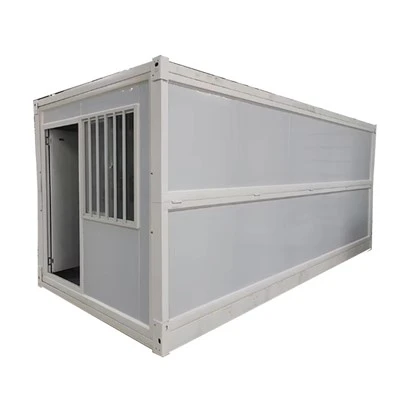
If you’re interested in purchasing an expandable container house, we’re here to help. Our team of professionals is ready to answer all your questions about building codes, design options, and pricing. We can guide you through every step of the process, from initial concept to final installation.
Folding House Don’t hesitate to reach out and start the conversation. We’re excited to work with you to turn your container – home dream into a reality.
References
- International Building Code (IBC)
- Local Building Codes of Different Regions
- Standards from the American Society of Civil Engineers (ASCE)
- National Fire Protection Association (NFPA) Codes
Jiangsu Suqian Longze Modular Construction Co., Ltd.
As one of the most professional expandable container house manufacturers and suppliers in China, our products have good reputation in the market. Please feel free to buy high quality expandable container house at competitive price from our factory. We also accept customized orders.
Address: No. 8, Weisan Road, Shuanggou Town, Sihong County, Suqian City, Jiangsu Province, China
E-mail: Lzmk88888888@163.com
WebSite: https://www.expandablehousefactory.com/
